
Welding is one of the most in-demand technologies in the metalworking industry. Briefly, this process is described as the result of heating or plastic deformation of the components being joined.
It’s best to order welding services, the price of which depends on the type of welding and the scope, from specialized companies that perform the full range of necessary services. These companies are typically equipped with all the necessary equipment for metalworking.
Today, welding is widely used in the construction and industrial markets. It can be performed virtually anywhere—both outdoors and indoors—as long as certain safety regulations are observed. And the use of modern technologies allows for the development of new, more efficient methods for creating welds.
What types of welding jobs are there?
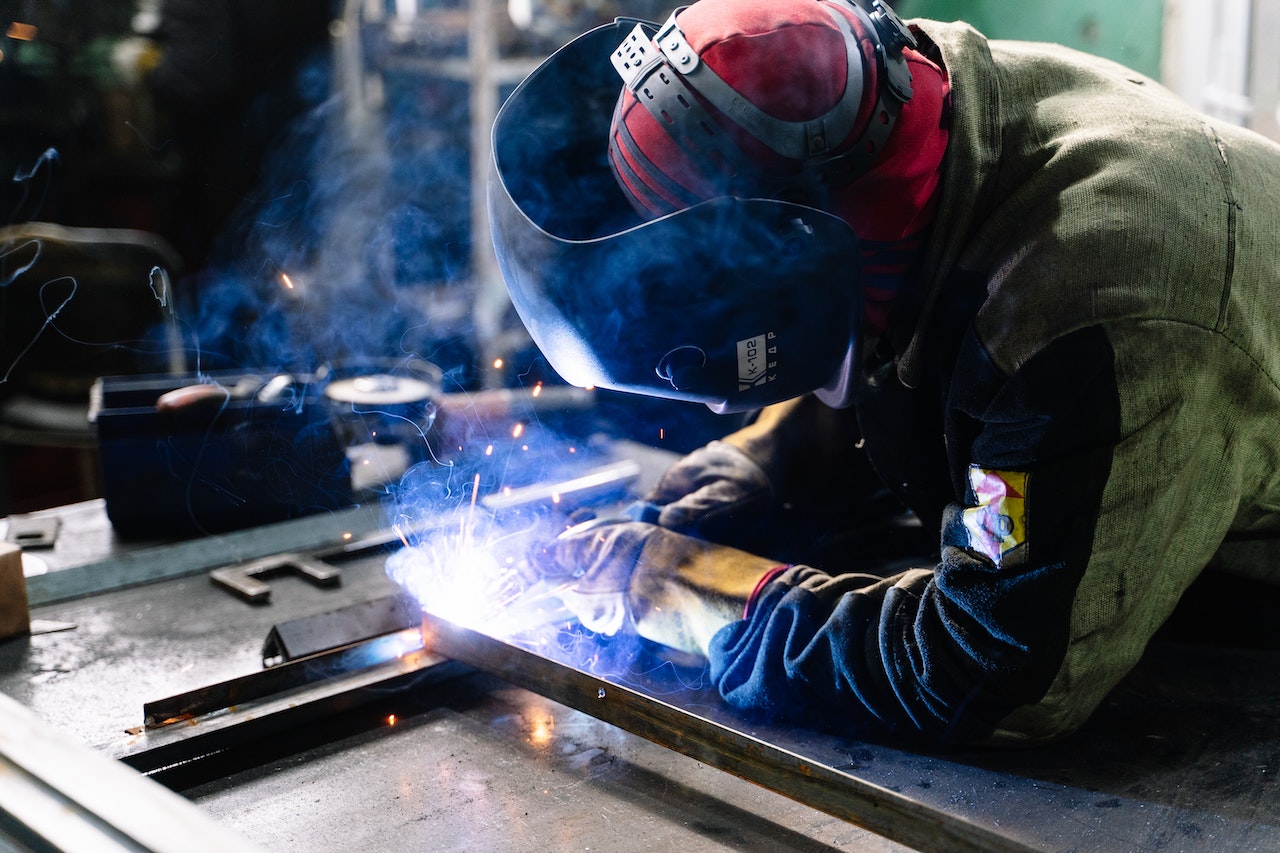
Based on the power source used, welding can be mechanical, thermal, or thermomechanical. In the first case, the process occurs without heating, using increased specific pressure. Thermal welding, on the other hand, involves heating metals to melting point without the use of compression. Thermomechanical welding requires specialized equipment and modern technologies that allow for a combination of the first two types.
In terms of other parameters, the following types of work are commonly distinguished:
- Electric arc welding. In this case, an electric arc is used to achieve the required temperature, generated between the tip of the electrode and the surface of the workpiece. The end of the electrode heats up and melts, creating a strong weld after cooling and crystallization.
- Argon arc welding. This type of welding is chosen when it is necessary to weld steel, aluminum, stainless steel, and some alloys. The process uses special torches powered by argon gas from a cylinder.
- Resistance welding. In this case, the welding procedure involves heating the surface of the materials to the required temperature, after which the workpieces are deformed. The main subtypes of this type of welding include seam, projection, butt, and spot welding.
- Gas welding. This type of welding is constantly used when it is necessary to form metal structures with a relatively small diameter. Typically, these are products made of sheet and tubular steel, as well as components made of carbon metals. The essence of the process consists of melting the edges of the parts followed by the introduction of filler material into the liquid bath.
In addition to the quality of work performed, customers are often interested in how welding work is priced; prices are typically determined based on the chosen welding format, the use of specialized tools, the scope of work, and even weather conditions. We perform various welding services in Kyiv and the surrounding region, providing the opportunity to determine the cost for the customer in advance.
How to estimate welding costs

The simplest calculation method is to equate the prices of labor and materials. The more complex the task, the higher the skill level of the welders must be, which also directly impacts the cost. Some prefer to price welding work per spot. However, the simplest formula suggested by experts is the following:
(A + B) x C + (Dt + Dm + F), which is broken down as follows:
A is the time required to perform the welding work.
B is the time required for transportation to the site;
C is the worker’s rate, taking into account the hourly rate.
Dt is the cost of travel.
Dm is the reimbursement of consumables used.
F is the depreciation of the welding equipment.
Furthermore, the final price is also affected by the cost of the weld. In other words, it is necessary to determine the thickness of the parts being processed, the length and depth of the weld, and the volume of work operations.
These indicators are almost always detailed in the service provider’s price list. When placing an order, all these details are carefully calculated to determine the final price.